
I don’t understand why people have the tendency to interfere with others lives
Codifying cultural norms into law is a normal part of politics. The big question is what you want to normalize.

I don’t understand why people have the tendency to interfere with others lives
Codifying cultural norms into law is a normal part of politics. The big question is what you want to normalize.

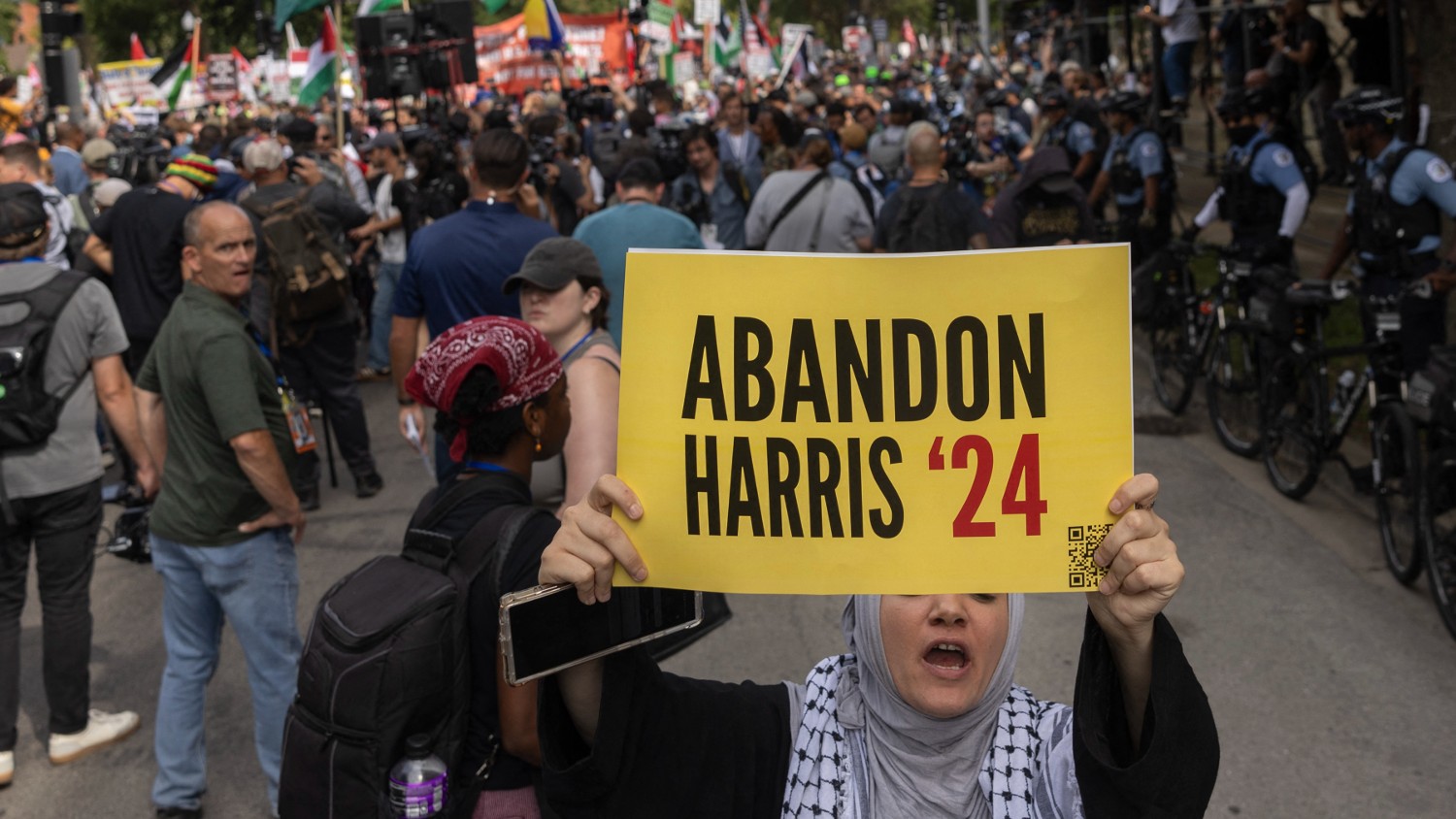
bashing on Harris and pushing false equivalence
You claim the Ds and Rs are the same, but you can very clearly see that the Ds are in favor of 10% less infanticide.
That’s the only two choices we have
The genocidiers have us by the balls, folks. Nothing you can do but voice your full throated support for one of them.
UN votes against Israel’s occupation of Palestine: Will it change anything?
Seems like the rest of the international community is moving on this whether or not the US leadership approves of it.
Barking up the “Who will you vote for?” tree, when neither American candidate for President has expressed an interest in ending the holocaust in Gaza or prosecuting the litany of war crimes in surrounding Lebanon, Egypt, and Jordan, seems pointless.
If anything “Vote for Kamala because hey remember that genocide we’re financing via Israel?” seems like its going to scare away more voters than it attracts.

Isn’t 90% of IG Influencing just makeup tutorials anyway?
“deregulating insurance markets, so that people can actually choose a plan that makes sense for them.”
The problem with the modern insurance market is Not Enough Crypto.

Oh shit, he’s good. He DDOS’d me right back.
Have they stopped?
People who are Nazis would say exactly this about the “Woke” Society.
It reminds me of the left/right split during the Iranian Revolution. Folks love to post pictures of “Before 1979” with the wealthy kids of the industrial elites dressed like EU/US fashionistas. Iranian progressives saw this as a privilege of the elites that shouldn’t be exclusive to the upper end of society. Iranian conservatives saw it as a symptom of elitism that shouldn’t be permitted at any tier of society.
After the revolution, conservative Iranians (very briefly) aligned with conservative Americans, as the Ayatollah and the Reagan/Thatcher governments aligned on this idea of regressive religious anti-Communism. But then Iran didn’t open itself back up as a western gas station, so the American white supremacists and the Iranian Islamic supremacists fell back into conflict again.
Then it was just two ultra-orthodox conservative groups screaming “Woke Decadent Radicals!” at one another, while everyone around them were ground to paste by the slew of wars to follow.
Hey, now. They also really hate FDR and LBJ.

So you’re agreeing this is a Bill of Attainder limited to a single group of American citizens?
Thanks.
Where should Israel go back to then?
Israel doesn’t have to go anywhere. No more than South Africa went somewhere after Apartheid ended in that state. Or Cuba vanished after the Batista government collapsed. Or Germany vanished after '45.
But the war criminals leading the current genocidal policy towards the people in their care. They need the same treatment as Milosoviec, Omar al-Bashir, and Saddam Hussein.
Drag Netanyahu to the Hague and prosecute him for crimes against humanity. Dismiss the current illegal and unconstitutional Kinesset and hold new free and fair elections in Israel. Provide reparations for the displaced Gaza and West Bank citizens, and launch a Truth and Reconciliation Committee to recover damages for the crimes committed against them.
That is the only moral path forward for Israel.
Trump was more than happy to sell Ukraine surplus munitions back in 2018, when a diplomatic solution was still possible.
Drenching the conflict with lighter fluid and waiting for someone to light a match.
Turd on turd violence. But it did seem like Kennedy was ready to fix Truman’s mistake in kicking off the Cold War.
And then…
Sadly, I’m an English speaker so I’m very limited in my options.
This is good advice on it’s face, but what if you’re living in a country full of Nazis?
Like, let’s say - hypothetically - the cops are Nazis. And all your mass media is full of Nazi agitprop. And friends and family are periodically repeating Nazis talking points. And you are feeling increasingly isolated by the sheer madness of the outside world.
Hypothetically, of course.
they could’ve easily just targeted specific individuals
They did target a specific individual - the Iranian ambassador in Lebanon. Everyone else was collateral damage.
Bombing a police station because there’s a chance one of the cops might try to arrest me.
Bombing the court house so there’s no place for my trial.
Bombing the mayor’s Special Committee On Investigating City Bombings to cover my trail.
Bombing the local field office of the newspaper that’s writing a report on all these bombings.
More people are saying I’m the bad guy, but this is just adding the number of people I have to add to my list of future bomb targets.
Once again, it needs to be noted that this entire operation was designed to assassinate one guy. The part of the pager shipment was an order made by the Iranian consulate in Lebanon.
Since the Israelis didn’t know which pager was going to the ambassador, they just rigged them all to explode. Then everyone who got caught in the crossfire was labeled “Hezbollah” after the fact.
even though they’re (trying to) occupy the exact same plot of land
Explaining to my Cherokee friends that, really, you’re no better than the European settlers who displaced you because you both wanted to live in Florida. Suddenly, they’re not my friends anymore. Can’t believe they were anti-white racists the whole time.







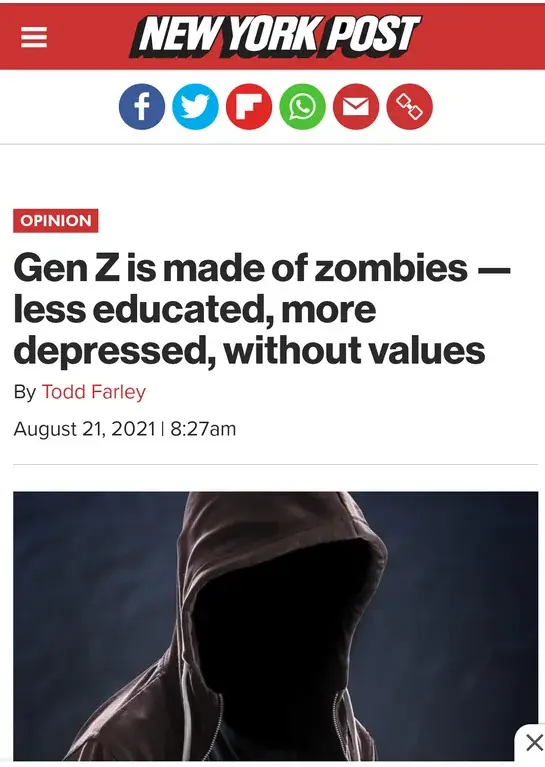


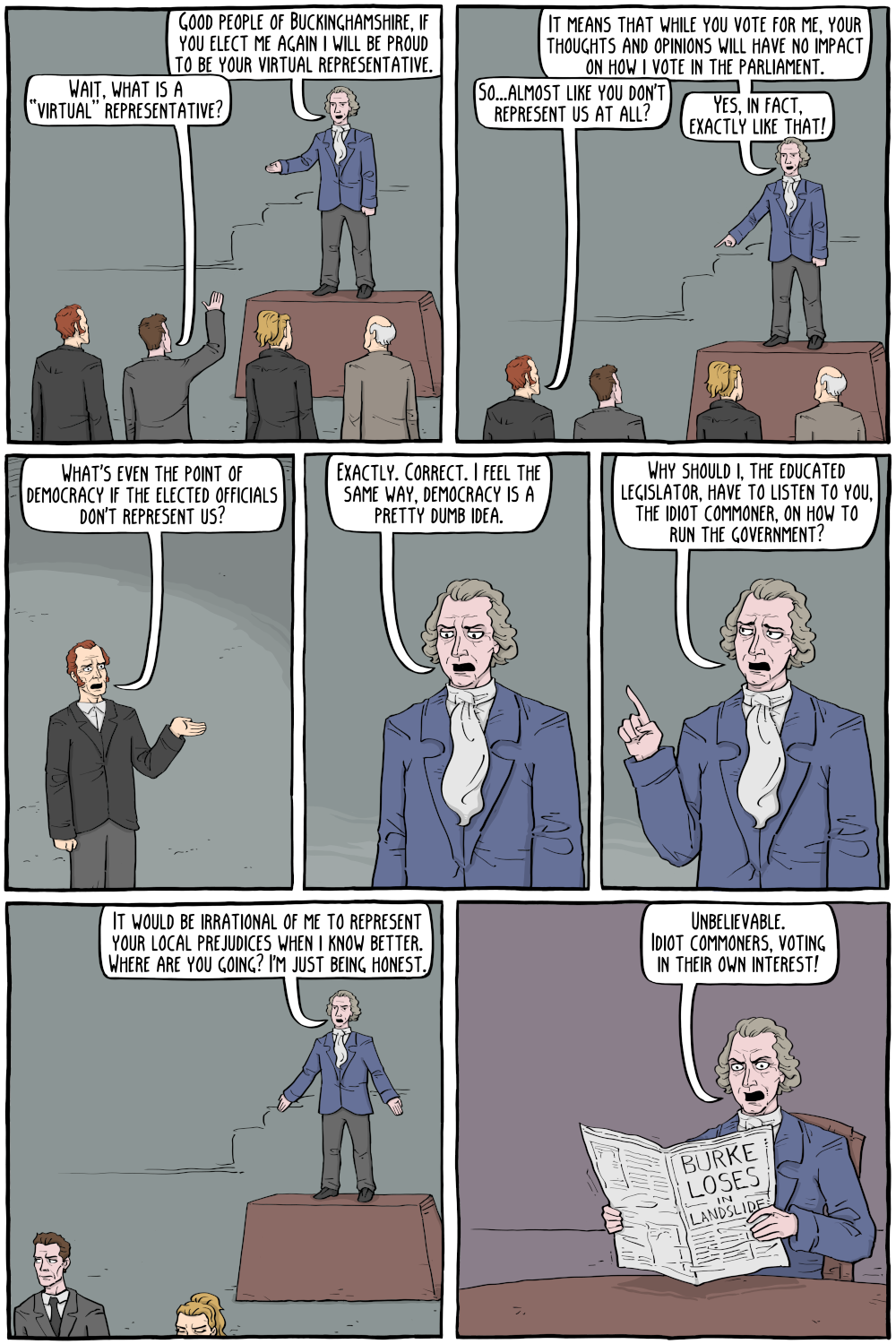
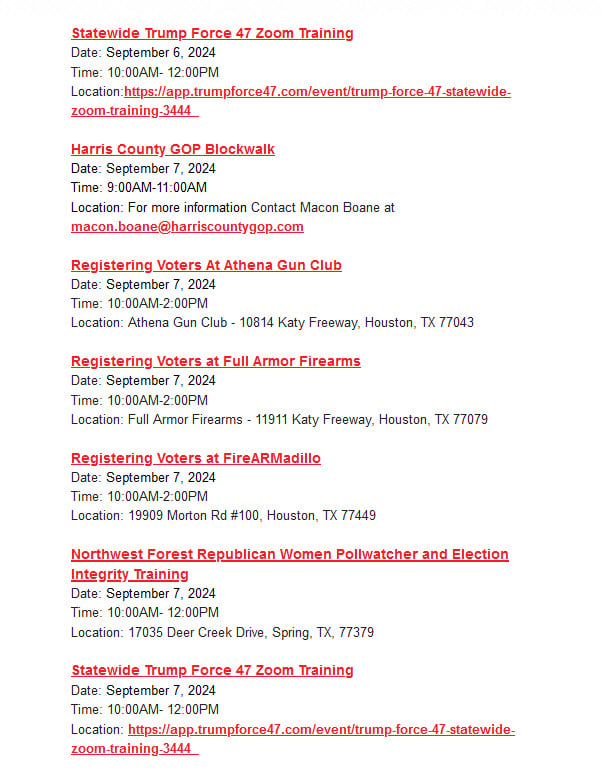

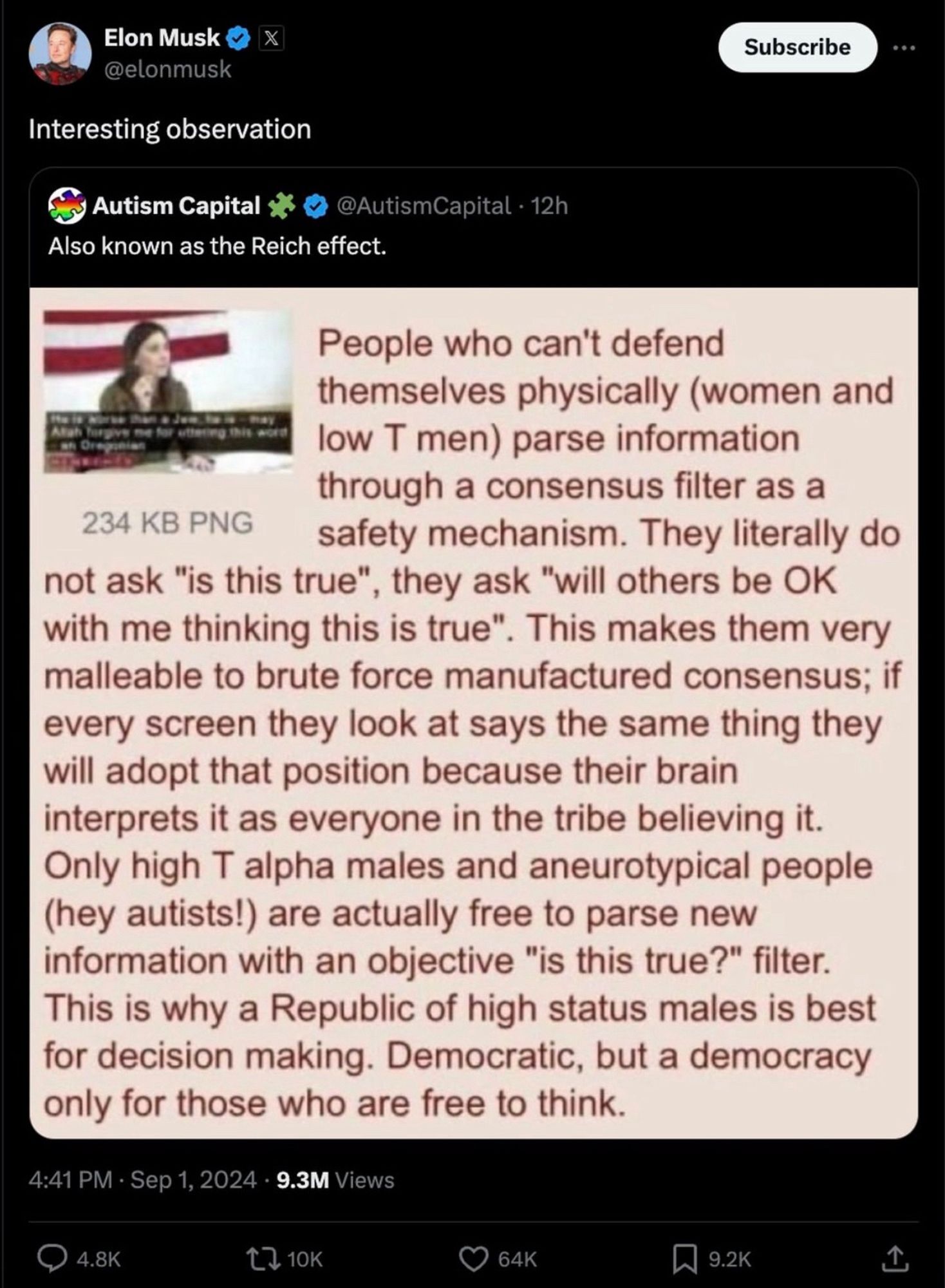
Isn’t the primary critique of TikTok the number of American leftists and progressives posting on it?
Seems like the propaganda is coming from inside the house.